
Product Labelling
Every treated product is labelled with an end tag including the following information:- The first 3 digits will uniquely identify the producer/treatment plant
- The next two digits identifies the preservative used to treat the timber
- The final two digits of the label beginning with the letter ‘H’ identifies what treatment hazard class the timber has been treated to.
Understanding Hazard Classes
An important part of the brand is the Hazard Class, which indicates the service conditions to which the product is exposed and the level of treatment or level of protection that must be applied to the wood.
| H4 | H5 | H6 |
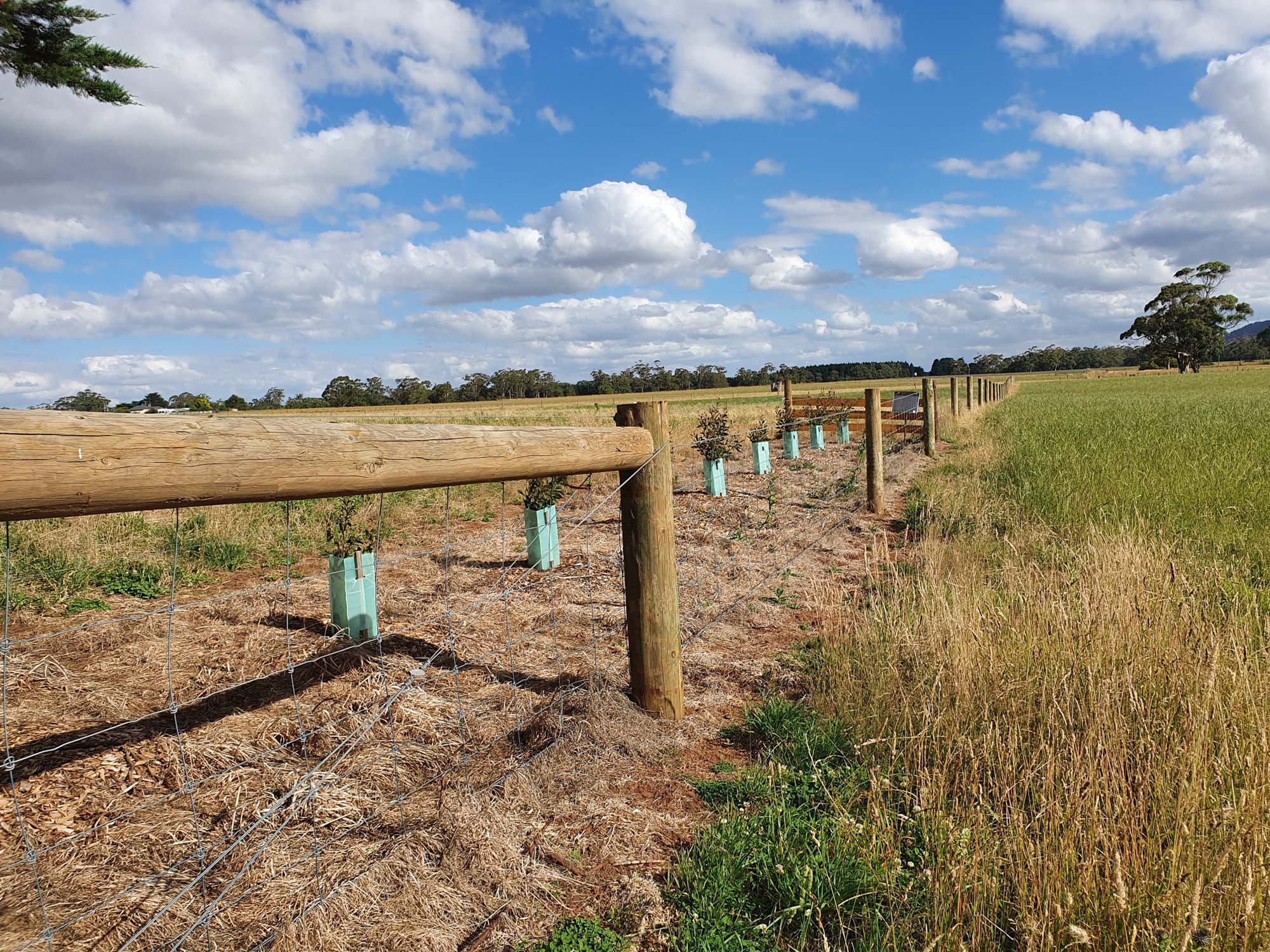
| This level of treatment is suitable for use in applications where the timber is in contact with ground or is continually damp. H4 is designed to eliminate the likelihood of attack by insects, including termites, and decay where a critically important end use is involved such as posts and garden edges. | A stronger level of protection, H5 is suitable for use in applications where the timber will come in contact with the ground or fresh water such as as posts and pylons. Other than protecting against the likelihood of attack by insects, H5 also offers protection against extreme decay. | As protection against the highest level of hazard, H6 is appropriate for applications where the timber will be in prolonged contact with sea water. H6 is designed to minimise the likelihood of attack by marine borers and extreme decay, such as boardwalks, piers and jetties. |
Generally, the higher the Hazard Class, the greater the penetration and retention of preservative specified in the Standard. SOURCE: TPAA Tech Note – Understanding Hazard Classes
Disposal Of Treated Wood
The person or organisation disposing of treated wood waste is responsible for legal compliance and should review the laws applicable to treated wood material and discuss any handling concerns with the appropriate agency.Preservative treated wood
Preservative treated wood is wood that has been treated with one or more chemicals intended to protect it from borers, insects, and rot (or decay). Surface applied coatings, such as paint, varnish and stain, are not considered wood preservatives. A list of the different preservative types is provided in TPAA Tech Note - Preservatives used to treat wood
Identifying treated wood waste
The following evaluation tools can help you determine if the waste wood has been treated.
- The wood may be identified by an ink brand or an end tag indicating treatment. Most treated wood used in construction will be branded in some way.
- If the material that has been treated with copper based treatments (CCA, ACQ, CuAz, CuN) and has not been stained or painted, may have a greenish colour.
- A cross-cut section of the wood may reveal the preservative treatment as a darker colour, particularly in the sapwood.
- The location of the wood within a project and the project type may also suggest the presence of treated wood.
- If the wood was in contact with the ground or water, or exposed to the elements, and is not a decay resistant species such as a high durability eucalypt it is likely to have been preservative treated.
- If a freshly cross-cut piece smells of solvent, then the piece is probably treated with a Light Organic Solvent Preservative.
- If doubt remains after applying the above evaluation tools, laboratory testing can make a positive determination.
Treated wood waste
Treated wood waste includes treated wood debris from construction activities and may include trimmings, off cuts, scrap and sawdust. Treated wood waste also includes demolition products permanently removed from use, e.g. decks, fences, docks.
Reuse or recycling
Treated wood materials may be reused in a way that is consistent with their original use. Recycled treated wood is not considered to be waste material.
How and Where Can I Dispose of Treated Wood Waste?
- Do not burn treated wood.
- Do not discard the material on the land or use treated wood as ground mulch.
- Do not use treated wood waste for animal bedding
- Some types of treated wood can be used as fuel in specifically approved co- generation facilities.
- Small quantities of treated wood wastes, such as off-cuts generated during home projects may be disposed of through normal household waste collection services or at local landfills.
- Treated timber should not be placed in any green waste or garden organics recycling bins.
- Trade users of treated timber should be able to dispose of off-cuts and redundant pieces through normal commercial waste collection services or at local landfills. However, regulations and local services vary so it is advisable to contact the local council, the state environment protection agency, or your treated timber supplier for advice on appropriate disposal or recycling options.
Handling Treated Wood Waste
- Wear gloves and long sleeved shirts.
- After handling, wash exposed skin areas thoroughly with mild soap and water.
- Wear a dust mask when machining any wood to reduce the inhalation of wood dust. This applies to all wood dust, not only wastes containing preservative chemicals. Avoid frequent or prolonged inhalation of sawdust.
- Machining operations should be performed outdoors whenever possible to avoid indoor accumulations of airborne sawdust.
- Wear appropriate eye protection to reduce the potential for eye injury from wood particles and flying debris during machining.
- If preservative treated sawdust accumulates on clothes, launder before reuse.
- Wash work clothes separately from other household clothing.
Service Life
The service life of treated timber depends on a variety of factors including the level of preservative treatment and the specific application of the product (refer to treatment hazard classes).
The range of conditions and the type of environment anticipated during the service life of the product can vary based on climate, geographic location and seasonal changes. In consideration of service life, if subsequent machining, shaping, pointing cutting and scarfing of treated timber posts and poles are unavoidable, supplementary protection should be applied to the cut surface. This protection however cannot be expected to be as effective as the original treatment application. If actions are undertaken that compromise the integrity and treatment application of the product, Portland Pine Products will not be responsible for subsequent issues arising from such actions and any warranties shall be considered null and void by any further processing of treated products.